



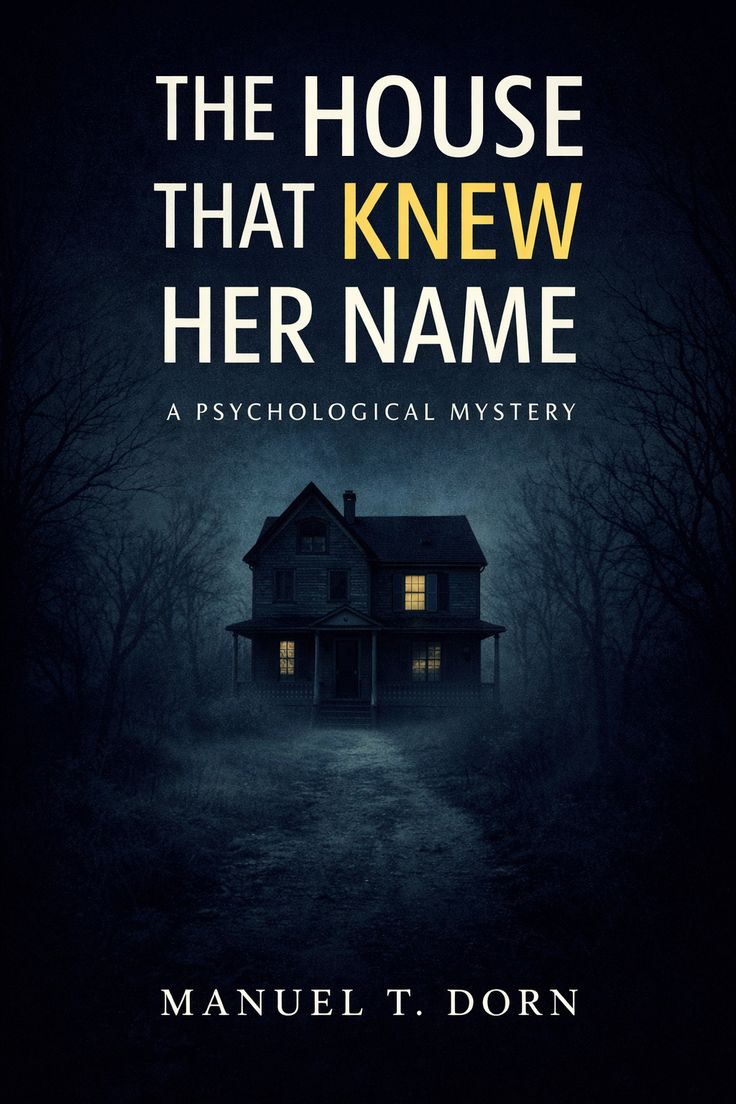
Fear is timeless, and in supernatural thrillers, it often travels across centuries, adapting to new contexts and unsuspecting victims. The Alchemy of Fear explores how ancient curses, once confined to legends and forgotten places, can resurface in the most ordinary modern settings. From bustling city streets to quiet suburban lanes, these old supernatural thriller novels malevolent forces show that the past never truly stays buried.
When the Old Haunts the New
Supernatural thrillers thrive on the collision between past and present. Ancient curses carry a weight that modern technology, concrete, and steel cannot erase. In The Alchemy of Fear, a seemingly ordinary street can become a conduit for old magic, turning mundane life into a battleground for unseen forces.
By bringing ancient fears into contemporary settings, the story highlights that horror is not bound by time. What was dangerous centuries ago can be just as deadly today, often in ways that go unnoticed until it’s too late.
The Mechanics of Modern Curses
These stories often portray curses as adaptable, capable of evolving with society. A hex that once haunted a rural village might now manifest in digital messages, streetlights flickering, or inexplicable traffic accidents. The curse becomes a living entity, feeding on fear and exploiting the vulnerabilities of modern life.
This blend of old and new makes the suspense unpredictable. Readers cannot rely on past rules; every situation could hide ancient consequences, creating a sense of unease that is both timeless and immediate.
Fear as a Universal Currency
Ancient curses are particularly effective in supernatural thrillers because they tap into universal fears: betrayal, greed, revenge, and death. By resurfacing in contemporary settings, these stories remind readers that human nature has not changed—our desires and mistakes continue to invite danger.
The Alchemy of Fear demonstrates how suspense and terror are amplified when the audience recognizes the connection between past sins and present consequences. The curse is not just supernatural—it is a reflection of human behavior and vulnerability.
The Psychological Power of Lingering Legends
Curses that persist into modern life carry psychological weight. They force characters—and readers—to consider how history, myth, and unresolved tragedies shape the present. The fear of the unknown is compounded by the knowledge that these threats are ancient, patient, and persistent.
This interplay between history and horror adds depth to the narrative, transforming ordinary streets into arenas of tension and dread.
Modern Streets as Haunted Spaces
In supernatural thrillers, urban landscapes often take on a dual identity. Streets lined with neon signs and traffic lights can hide alleyways of malevolence; skyscrapers can conceal histories of betrayal or death. The Alchemy of Fear illustrates how curses can exploit modern architecture and daily routines, making readers question the safety of the world around them.
This fusion of old curses with new settings heightens suspense. Familiarity becomes deceptive, and every corner holds the potential for ancient forces to intervene.
Conclusion
The Alchemy of Fear showcases the enduring power of supernatural thrillers to connect the past with the present. Ancient curses, reborn in modern streets, remind us that fear is never confined to history—it evolves, adapts, and waits for the right moment to strike. By blending timeless horror with contemporary settings, the story offers suspense, psychological depth, and a chilling reminder that the past never truly disappears. For readers who enjoy mysteries that bridge centuries and thrillers that keep them looking over their shoulders, The Alchemy of Fear is a journey into the eternal persistence of terror.
