



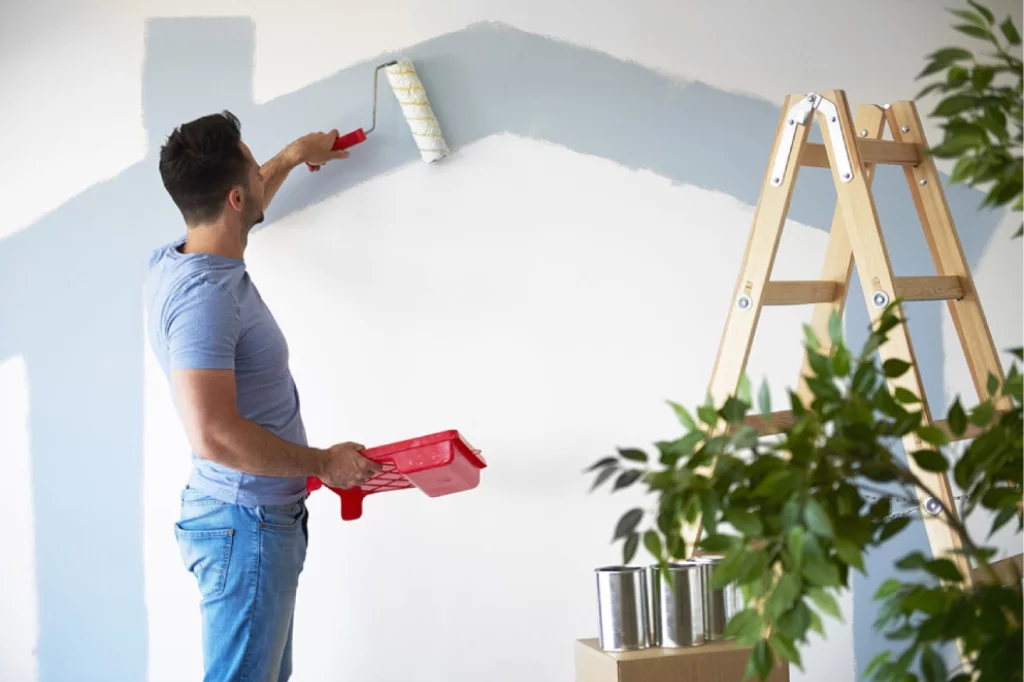
Painting and decorating can appear straightforward until you begin preparing walls, protecting furniture, choosing materials, repairing imperfections, and applying several coats of paint. For homeowners and landlords, doing all of this independently can take considerably longer than expected. Hiring experienced Painters and decorators in London can make the process more organised and reduce the amount of time you need to spend managing the work yourself.
Professional decorators generally follow a planned sequence that covers preparation, application, drying, finishing, and clean-up. Proper preparation is particularly important because surfaces may need cleaning, filling, sanding, priming, or other treatment before the decorative finish is applied. UK occupational standards for painting and decorating specifically recognise surface preparation, protection of surrounding areas, material selection, and safe working practices as important parts of the trade.
They Know How to Prepare Surfaces Efficiently
Surface preparation is one of the stages that can consume a large amount of time during a decorating project. Walls may have cracks, holes, peeling paint, stains, uneven areas, or old wallpaper that needs to be removed.
Experienced decorators can quickly assess the condition of different surfaces and determine what preparation is necessary. Rather than applying paint immediately, they can fill imperfections, sand rough areas, remove loose material, and prime where appropriate.
This organised approach helps prevent repeated work later. Painting over an unsuitable surface can result in peeling, visible imperfections, or poor adhesion, potentially creating additional work.
Professional Tools Can Speed Up the Work
A professional decorator normally arrives with a selection of brushes, rollers, sanding equipment, preparation tools, access equipment, protective materials, and other supplies appropriate to the project.
Having the correct equipment can make routine tasks considerably more efficient. For example, suitable rollers can cover large wall areas quickly, while specialist brushes allow decorators to work more accurately around skirting boards, door frames, windows, and other detailed areas.
Professionals also know how to use their equipment efficiently, reducing unnecessary preparation and interruptions.
They Follow a Structured Decorating Process
Time can easily be lost when a decorating project is approached without a clear order of work. Professional decorators generally establish a sequence before starting.
A typical project may involve moving or protecting furniture, preparing surfaces, repairing defects, sanding, cleaning, priming where required, applying the finishing coats, completing detailed areas, and cleaning the workspace.
Working systematically helps ensure that one task does not interfere with another. It can also make it easier to identify which areas need additional preparation before painting begins.
They Can Manage Multiple Tasks at Once
For larger properties, several decorating tasks may need to be completed within a limited timeframe. A professional team can divide responsibilities so that preparation, painting, and finishing work can progress efficiently.
For example, while one person prepares a wall, another may be able to work on previously prepared woodwork or another suitable area. This can shorten the overall project compared with one person attempting to complete every stage sequentially.
The exact time savings depend on the size and condition of the property, the number of workers, the type of finish required, and drying conditions.
They Reduce the Time Spent Correcting Mistakes
DIY painting mistakes can create additional work. Uneven coverage, paint runs, visible brush marks, poorly prepared surfaces, and paint accidentally applied to unwanted areas may all require correction.
Experienced decorators are familiar with common problems and can reduce the likelihood of these mistakes. Their knowledge of preparation, paint application, drying times, and finishing techniques helps them work more consistently.
Good preparation is especially important. Industry guidance and professional decorating practices place considerable emphasis on preparing surfaces before the finishing coats are applied.
They Can Help With Paint and Finish Selection
Choosing the right paint can take time, particularly when different surfaces require different finishes. Walls, ceilings, woodwork, kitchens, bathrooms, and exterior surfaces may have different requirements.
A professional decorator can explain the practical differences between common finishes and help you select products suitable for the surface and intended use. This can prevent delays caused by purchasing unsuitable paint and subsequently needing to replace it.
It can also make the planning stage more efficient because material quantities and application requirements can be considered before work begins.
They Protect Furniture and Flooring Before Starting
Protecting the work area is another task that can take considerable time. Furniture may need to be moved, floors covered, fittings masked, and vulnerable surfaces protected.
Professional decorators routinely incorporate these steps into their workflow. Appropriate preparation and protection of surrounding areas are recognised components of professional painting and decorating work.
This means homeowners do not necessarily have to spend hours preparing the room themselves before the decorating work can begin.
They Handle Detailed Areas More Efficiently
Doors, frames, skirting boards, staircases, coving, window surrounds, and other detailed features can take much longer than large flat walls.
Experienced decorators are accustomed to working around these features and can combine brushes, rollers, masking techniques, and careful preparation to maintain a consistent finish.
This is particularly useful in older London properties where decorative mouldings, uneven walls, traditional features, or previous layers of paint can make decorating more complicated.
They Understand Drying and Recoating Requirements
Painting is not simply a matter of applying one coat immediately after another. Different products have different drying and recoating requirements, and environmental conditions can affect how quickly a coating becomes ready for the next stage.
Professional decorators understand that rushing this process can compromise the finish. Planning around drying periods allows other suitable tasks to continue without unnecessarily delaying the project.
For exterior decorating, weather conditions can be especially important because temperature, moisture, and rainfall can affect the application and drying of coatings.
They Can Make Large Decorating Projects Easier to Manage
Whole-property decorating can become difficult to coordinate when you are working around normal household routines. Bedrooms, living rooms, hallways, ceilings, woodwork, and other areas may all need attention.
A professional decorator can establish a practical work schedule and tackle the property in manageable sections. This can help reduce disruption and make it easier to understand when different parts of the project should be completed.
For landlords, property managers, and homeowners working toward a particular deadline, organised scheduling can be particularly useful.
Professional Safety Practices Also Save Time
Painting and decorating can involve ladders, sanding dust, paint fumes, chemical products, and other potential hazards. Professional standards include safe use of access equipment, materials, tools, and protective measures.
Professionals who understand these risks can plan the work accordingly instead of stopping repeatedly to determine how a particular task should be carried out.
This is especially relevant in older properties where disturbing existing coatings can require additional precautions. Older painted surfaces may contain hazardous materials, so appropriate assessment and safe preparation methods are important.
They Reduce the Amount of Clean-Up You Have to Do
Painting can create considerable disruption if protective measures are not used. Paint splashes, sanding dust, packaging, and used materials can leave a room requiring extensive cleaning.
Professional decorating workflows commonly include protecting surfaces and keeping the work area orderly. Some professional services also schedule regular clean-ups during the project rather than leaving everything until the end.
This saves the homeowner time both during and after the decorating project.
Planning Before the Work Begins Saves Even More Time
One of the simplest ways to speed up a decorating project is to make important decisions before the first day of work.
Consider deciding:
- Which rooms will be decorated
- Which walls or surfaces need attention
- Preferred colours
- Paint finishes
- Whether ceilings and woodwork are included
- Whether wallpaper needs to be removed
- Whether furniture needs to be moved
- Any deadlines that need to be met
Providing this information early allows the decorator to estimate materials, labour, preparation requirements, and scheduling more accurately.
When Hiring Professionals Makes the Most Sense
Professional decorating can be particularly useful when several rooms need painting, surfaces require extensive preparation, the property has difficult access, or the work needs to be completed within a specific timeframe.
It can also make sense when you simply do not have the time to spend several evenings and weekends completing the project yourself.
The value is not only in the hours spent holding a brush. Professional help can reduce the time spent purchasing materials, preparing rooms, correcting mistakes, cleaning up, and coordinating the different stages of the job.
Final Thoughts
Hiring professional Painters and decorators in London can save time by combining experience, preparation skills, appropriate equipment, organised scheduling, and efficient working methods. Instead of spending weeks fitting decorating around your normal routine, you can have the work planned and completed as a structured project.
The greatest time-saving benefit often comes from avoiding unnecessary repetition. Proper preparation, suitable materials, careful application, and organised clean-up can all help the project move forward smoothly while reducing the amount of work left for the homeowner.