



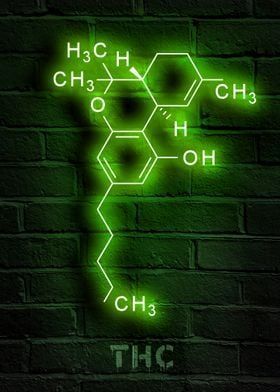
The landscape of cannabis consumption has diversified significantly, with vaporization emerging as a prominent alternative to traditional smoking. While both methods deliver cannabinoids to the user, they differ fundamentally in their mechanisms, effects, health implications, and overall user experience. Understanding these distinctions is crucial for anyone considering cannabis consumption, especially in the UK where legal nuances play a significant role. This article will compare weed vapes to traditional smoking methods, highlighting their respective advantages and disadvantages.
Fundamental Differences: Combustion vs. Vaporization
The core difference between smoking and vaping lies in the temperature and process of consumption krispy kreme thc vape:
- Traditional Smoking: Involves burning cannabis flower at high temperatures (often exceeding or ). This combustion process creates smoke, which contains not only cannabinoids and terpenes but also numerous harmful byproducts, including tar, carbon monoxide, and various carcinogens.
- Vaporization: Heats cannabis material (flower or concentrates) to a lower temperature range (typically to or to ). This process converts cannabinoids and terpenes into an inhalable vapour without burning the plant material, thus avoiding combustion byproducts.
Health Implications
This is arguably the most significant area of comparison, often cited as the primary reason users switch to vaping:
- Smoking: Inhaling smoke, regardless of its source, introduces respiratory irritants and carcinogens into the lungs. Long-term smoking can lead to chronic bronchitis, increased risk of respiratory infections, and potentially other lung diseases. The presence of tar and other toxins is a major concern.
- Vaping: By eliminating combustion, vaping significantly reduces the inhalation of harmful toxins, tar, and carbon monoxide. While not entirely risk-free (especially with unregulated products or certain additives), it is widely considered a less harmful alternative to smoking. However, the long-term effects of vaping, particularly with various cannabis concentrates and additives, are still being studied. The EVALI (E-cigarette or Vaping Product Use-Associated Lung Injury) outbreak highlighted the dangers of illicit vape cartridges containing harmful cutting agents like Vitamin E acetate.
User Experience: Effects, Flavour, and Discretion
The method of consumption also profoundly impacts the user experience:
- Onset and Duration of Effects: Both methods offer a rapid onset of effects, typically within minutes, as cannabinoids are absorbed directly into the bloodstream via the lungs. The duration of effects is also generally similar, lasting a few hours.
- Flavour Profile: Vaping, especially at lower temperatures, is renowned for preserving the delicate terpenes found in cannabis. This allows users to experience the full, nuanced flavour profile of different strains, which can be masked by the harshness of smoke. Smoking often produces a more uniform, burnt taste.
- Discretion: Vapour dissipates much more quickly than smoke and has a significantly less pungent odour. This makes vaping a far more discreet option, appealing to users who wish to minimize noticeability. Smoking, with its strong, lingering odour and visible smoke, is far less discreet.
- Efficiency: Vaping can be more efficient at extracting cannabinoids from the plant material, meaning users might achieve desired effects with less cannabis compared to smoking. This can lead to cost savings over time.
Device and Maintenance
- Smoking: Requires minimal equipment (e.g., rolling papers, pipes, bongs) and is generally low-maintenance, though pipes and bongs require cleaning.
- Vaping: Requires an initial investment in a vaporizer device, which can range from affordable pens to high-end desktop units. These devices require charging (for portable units) and regular cleaning to maintain performance and hygiene.
Legal Context in the UK
It is crucial to reiterate that in the UK, the legal status of cannabis consumption (whether smoked or vaped) depends entirely on the source of the cannabis. Recreational cannabis remains illegal. Only legally prescribed medical cannabis, obtained from a licensed UK pharmacy, can be legally consumed. Therefore, while vaping may offer health and discretion advantages, it does not alter the underlying illegality of consuming illicit cannabis.
Conclusion
Weed vapes offer a compelling alternative to traditional smoking methods, primarily due to their reduced harm profile, enhanced flavour, and increased discretion. By heating instead of burning, vapes avoid many of the harmful byproducts associated with combustion. However, users must be mindful of product quality, especially concerning concentrates, and always prioritize legal sourcing, particularly in the UK where recreational cannabis remains illegal. Understanding these comparisons allows users to make informed decisions that align with their health preferences and legal awareness.
