



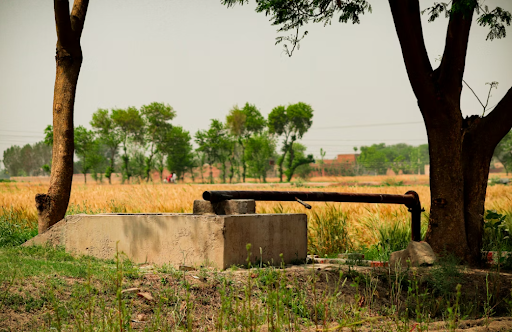
Proper care of agricultural land is essential for maintaining soil health, maximizing crop yield, and ensuring long-term sustainability. Whether you are managing a small family farm or a larger commercial property, understanding the principles of land management, staying informed about industry trends, and using the right equipment are critical to success.
Integrating modern tools, following best practices, and keeping up with agricultural news can transform ordinary farmland into a highly productive and well-maintained resource.
Maintaining Soil Health
Healthy soil is the foundation of any successful agricultural operation. Regular testing of soil nutrient levels allows you to identify deficiencies and apply appropriate fertilizers or organic amendments. Crop rotation is another key practice, as it prevents soil depletion, reduces pest pressure, and improves overall fertility.
Incorporating cover crops and organic matter helps retain moisture, prevents erosion, and supports beneficial microorganisms that boost plant growth. By prioritizing soil health, you create a resilient foundation that sustains long-term productivity.
Staying Updated with Agriculture News
Keeping abreast of the latest developments in agriculture can significantly influence how you manage your land. Agriculture news covers trends in crop prices, sustainable farming techniques, government policies, and technological innovations.
By staying informed, you can make proactive decisions about crop selection, pest management, and market strategies. Subscribing to agricultural journals, following reliable news portals, and participating in local farming associations ensures that you are equipped with timely information that can enhance both productivity and profitability.
Effective Water Management
Water is a critical resource for agriculture, and efficient irrigation practices can significantly improve yields. Assess your land for natural water flow patterns, install proper drainage systems, and consider drip or sprinkler irrigation for precise water delivery.
Regularly maintaining irrigation equipment ensures minimal waste and prevents waterlogging or soil erosion. Effective water management not only supports crop health but also reduces costs and conserves resources.
Using the Right Equipment
Investing in appropriate tools and machinery can save time and improve efficiency on your agricultural land. For example, a commercial riding lawn mower is not just for aesthetics—it can maintain grass pathways, prevent weed overgrowth, and reduce the risk of pests hiding in tall vegetation.
Using durable, high-capacity machinery ensures consistent performance, reduces manual labor, and helps you cover larger areas more effectively. Regular maintenance of all equipment is vital to extend its lifespan and ensure safe operation.
Implementing Pest and Weed Control
Proactive pest and weed management protects crops from damage and maintains soil health. Integrated pest management (IPM) combines biological controls, selective pesticides, and cultural practices to reduce reliance on chemicals.
Regularly monitoring your fields and promptly addressing infestations prevents widespread issues. Similarly, controlling weeds through mulching, mowing, or mechanical removal minimizes competition for nutrients and water, helping crops thrive.
Planning for Sustainability
Sustainable practices not only protect your land but also ensure long-term profitability. Consider incorporating renewable energy sources, like solar-powered irrigation pumps, and adopting conservation techniques such as contour farming or no-till planting.
Sustainability also involves economic foresight—tracking market trends through agriculture news allows you to anticipate demand shifts and adjust your production plans accordingly. This integrated approach balances productivity, environmental stewardship, and financial viability.
Maximizing Land Productivity
Combining proper soil care, water management, pest control, and regular maintenance with timely information and the right equipment creates a holistic strategy for managing agricultural land. By integrating insights from agriculture news and utilizing tools such as commercial riding lawn mowers, landowners can ensure that their property remains productive, sustainable, and well-maintained year after year.
