



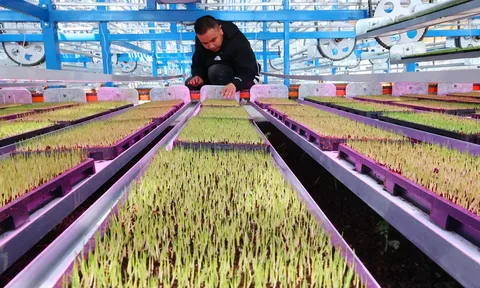
Agriculture is no longer confined to traditional methods of planting and harvesting. With the rise of technology, smart agriculture and the role of AI in modern farming have transformed the way farmers manage crops, livestock, and resources. By integrating artificial intelligence (AI) with agricultural practices, farmers can achieve higher efficiency, better yield, and sustainable farming.
What is Smart Agriculture?
Smart agriculture refers to the use of advanced technologies, including IoT devices, sensors, drones, and AI, to monitor and manage farming activities. These technologies help farmers make data-driven decisions, optimize resource use, and reduce environmental impact. For example, sensors can track soil moisture and nutrient levels, while drones can assess crop health over large fields.
The Role of AI in Modern Farming
AI plays a pivotal role in modern agriculture by analyzing large volumes of data and providing actionable insights. Here are some key applications:
- Precision Farming: AI algorithms can predict the optimal time for planting, watering, and harvesting, ensuring maximum productivity.
- Crop Health Monitoring: Machine learning models can detect diseases or pest infestations early, helping farmers take timely action.
- Yield Prediction: AI can analyze weather patterns, soil data, and crop conditions to forecast yields more accurately than traditional methods.
- Automated Machinery: AI-powered tractors and robots can perform repetitive tasks, reducing labor costs and increasing efficiency.
By implementing AI in farming, businesses can reduce waste, conserve water, and improve crop quality.
Benefits of Smart Agriculture with AI
The integration of AI in agriculture provides numerous advantages:
- Enhanced Productivity: AI helps optimize farming practices, leading to higher yields.
- Sustainable Practices: Efficient use of resources reduces environmental impact.
- Cost Savings: Automation and predictive analytics minimize labor and operational costs.
- Data-Driven Decisions: Farmers can make informed decisions based on real-time data.
Challenges and Future Prospects
Despite its potential, smart agriculture faces challenges such as high initial costs, lack of technical knowledge among farmers, and data privacy concerns. However, as AI technology becomes more accessible, the future of smart agriculture and the role of AI in modern farming looks promising, paving the way for a sustainable and highly efficient agricultural ecosystem.
