



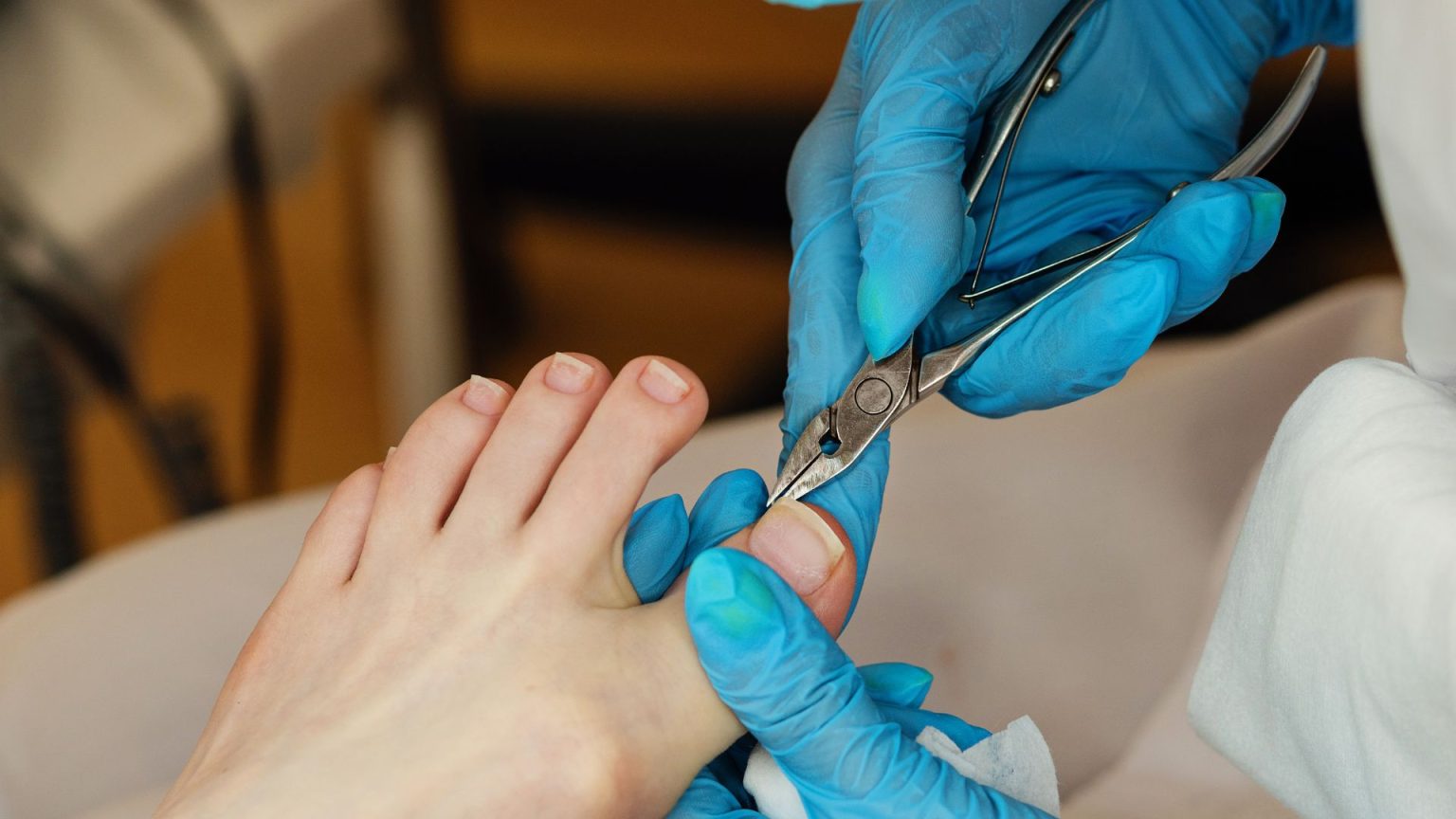
Small changes in a toenail can hint at far more than an ingrown edge. Subtle color shifts, unusual thickness, or persistent sensitivity often overlap with multiple conditions, making it important for a Huntsville ingrown toenail doctor to determine the real source of the problem. Before recommending ingrown toenail removal, they examine the nail from several angles to ensure another disorder is not disguising itself as a simple ingrowth.
Distinguishing Fungal Infections from Simple Ingrowth
Fungal infections can mimic the redness and swelling commonly seen with ingrown toenails. A thickened nail that curls inward may look like a true ingrowth, but fungus often affects color first, turning the nail yellow, brown, or chalky. A Huntsville ingrown toenail doctor checks whether discoloration follows typical fungal growth patterns or if the nail is curving due to pressure from the skin. A correct diagnosis matters because fungal treatment differs greatly from ingrown toenail removal near me options. If fungus is mistaken for an ingrown edge, pain may briefly improve but the infection continues underneath. Proper identification ensures the right treatment path and avoids unnecessary procedures.
Identifying Subungual Melanoma During a Physical Exam
Dark streaks under the nail deserve careful attention. While bruising from an unnoticed injury is common, a doctor must consider more serious causes if pigmentation does not fade over time. Subungual melanoma can appear as a vertical band or patch that slowly widens, which makes it essential to differentiate it from routine nail trauma.
Patients often assume lingering discoloration is no cause for concern, but a trained ingrown toenail doctor understands the warning signs linked to melanoma. Before suggesting ingrown toenail removal Huntsville AL options, they rule out any pattern that signals something deeper occurring beneath the nail plate.
Checking for Hidden Bone Spurs Beneath the Nail Plate
Sometimes the nail itself is not the source of the discomfort. Bone spurs under the nail bed can elevate the nail, pushing edges into the surrounding skin and causing symptoms that resemble an ingrown nail. Without proper evaluation, patients may continue to experience pain even after the nail is treated.
X-rays or a targeted physical exam help determine whether the underlying bone contributes to recurring irritation. This step ensures an ingrown toenail removal doctor addresses the true cause instead of only treating the visible condition.
Screening for Onychomycosis Before Recommending Surgery
Onychomycosis, a deeper fungal infection, affects the nail’s structure more aggressively than surface fungus. The nail may crumble, separate from the bed, or develop thick ridges that press against the skin. These changes can imitate the pressure caused by an ingrown toenail.
Screening helps prevent unnecessary procedures. If tests confirm fungal involvement, targeted medication often resolves inflammation more effectively than surgical trimming. A thorough evaluation ensures patients receive ingrown toenail removal solutions only when appropriate.
Differentiating Psoriatic Nail Changes from Ingrown Edges
Psoriasis can cause pitting, thickening, or lifting of the nail plate, all of which can lead to discomfort that mimics ingrown nail pain. Because psoriatic flare-ups frequently affect multiple toes or fingers at once, a doctor looks for patterns rather than isolated symptoms.
Treating psoriasis-related changes requires reducing inflammation rather than removing part of the nail. This is why a Huntsville ingrown toenail doctor carefully separates autoimmune symptoms from mechanical irritation before recommending surgery.
Evaluating for Subungual Glomus Tumors versus Nail Spikes
Sharp pains triggered by temperature changes or gentle pressure may stem from glomus tumors—benign growths beneath the nail. Their symptoms differ from an ingrown toenail but can still cause nail sensitivity and discoloration. A doctor evaluates whether pain matches the pattern of nerve-rich tumor growth rather than the predictable soreness of an ingrown edge.
Proper identification avoids ineffective treatments. Nail spikes, which are slivers of nail pressing into the skin, respond well to ingrown toenail removal, but tumors require a different type of medical intervention.
Assessing for Retronychia or Receding Nail Borders
Retronychia occurs when new nail growth pushes upward instead of outward, trapping layers of nail beneath the fold. This condition may cause swelling, redness, and throbbing—symptoms nearly identical to an ingrown toenail. A visual exam alone may not reveal retronychia, so doctors often evaluate nail growth patterns over time.
Misdiagnosed retronychia can persist even after treatment meant for ingrown nails. By identifying whether the nail grows backward rather than downward, an ingrown toenail doctor can determine the most effective approach for lasting relief.
Testing for Peripheral Vascular Disease in High-Risk Patients
Poor circulation changes how the toes respond to minor injuries. In patients with underlying vascular disease, inflammation around the nail may appear more severe, and healing may slow significantly. A doctor assessing an ingrown toenail must consider circulation issues, especially if swelling or redness extends beyond the immediate nail border.
Identifying vascular complications ensures treatment is safe and healing expectations are realistic. Before offering ingrown toenail removal near me options, doctors check whether circulation supports proper recovery.
Ruling Out Myxoid Cysts or Other Soft Tissue Growths
Myxoid cysts typically form near the nail base and can lift or distort nail growth. This pressure often leads patients to believe the nail has become ingrown. The cyst’s fluid-filled nature distinguishes it from the firm pressure caused by curved nail edges.
Without addressing the cyst itself, trimming the nail will not resolve the issue. A thorough examination helps determine whether the discomfort comes from skin tissue changes or from the nail invading the surrounding fold.
Careful evaluation helps patients avoid unnecessary procedures while uncovering the exact cause of their discomfort. Examining all possibilities—from growth abnormalities to vascular concerns—ensures that nothing is missed before discussing ingrown toenail removal options. With this thorough and reassuring process, The Foot Clinic delivers treatment plans patients can trust.
