



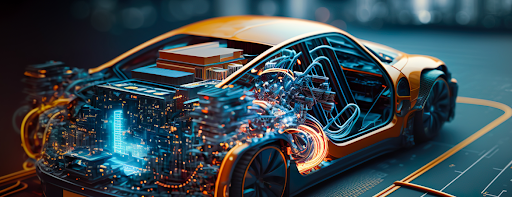
As electric vehicles (EVs) become more common on our roads, the importance of safety in their use cannot be overstated. Unlike conventional vehicles, EVs rely on high-voltage battery systems to power the vehicle. While these systems are designed with safety in mind, they can pose serious risks if not properly maintained. Integrating high voltage EV safety into your routine vehicle checks ensures both your protection and the longevity of your EV.
Understanding High Voltage EV Safety
High voltage EV safety refers to the precautions and measures taken to prevent accidents or injuries related to the electrical components in an electric vehicle. EV batteries operate at hundreds of volts, which is far higher than the electrical systems in traditional vehicles. Mishandling or ignoring small signs of damage can lead to electric shock, short circuits, or even fire. By understanding the basics of high voltage EV safety, EV owners can reduce the risk of dangerous incidents while maintaining their vehicle in optimal condition.
Regular Inspections for Electrical Components
Routine checks should always include an inspection of all visible electrical components, including the battery casing, wiring, connectors, and charging ports. Any signs of wear, corrosion, or loose connections should be addressed immediately. Regular inspection helps prevent potential failures that can compromise high voltage EV safety. Even small issues, if left unattended, can escalate into significant hazards for both the vehicle and the driver.
Safe Charging Practices
Charging an EV may seem straightforward, but improper charging methods can undermine high voltage EV safety. Always use manufacturer-recommended chargers and ensure that the charging area is dry and free from obstruction. Avoid using damaged cables or extension cords, as they can lead to overheating and electrical faults. Regularly inspecting your charging equipment as part of your routine EV checks helps ensure a safe and efficient charging process every time.
Monitoring Battery Health
The battery is the heart of any electric vehicle, and its performance directly affects high voltage EV safety. Over time, batteries can degrade, leading to reduced efficiency or potential hazards. Many modern EVs offer battery health monitoring through their onboard systems or apps. Regularly checking your battery’s condition and addressing any anomalies early can prevent unsafe situations. Replacing or servicing the battery when necessary is crucial to maintain both performance and safety standards.
Recognizing Warning Signs
Being alert to warning signs in your EV is an essential part of high voltage EV safety. Strange smells, unusual noises, overheating, or warning lights on the dashboard should never be ignored. These signals may indicate electrical issues that require immediate attention. Incorporating the observation of these warning signs into your routine checks allows you to act quickly and prevent potential accidents or damage to your vehicle.
Professional Maintenance and Servicing
While routine checks at home are important, professional servicing is equally crucial for maintaining high voltage EV safety. Certified EV technicians have the expertise and specialized equipment to safely handle high-voltage systems. Scheduling regular maintenance ensures that any potential issues are identified and resolved by trained professionals, giving you peace of mind and keeping your EV operating safely.
Educating Yourself About EV Safety
Understanding the principles of high voltage EV safety is beneficial for every EV owner. Familiarize yourself with the user manual, safety instructions, and basic emergency procedures. Being knowledgeable about your vehicle’s electrical systems and how to respond in an emergency improves your ability to handle unexpected situations. An informed EV owner is better equipped to maintain the vehicle safely and prevent accidents.
Conclusion
High voltage EV safety is not just a technical requirement; it is a fundamental part of responsible EV ownership. Regular inspections, safe charging practices, monitoring battery health, recognizing warning signs, and professional maintenance all contribute to keeping both you and your vehicle safe. By including high voltage EV safety in your routine checks, you ensure a safer driving experience while prolonging the life of your electric vehicle. Prioritizing safety today prevents costly repairs and potential hazards tomorrow, making it an essential practice for every EV owner.
