



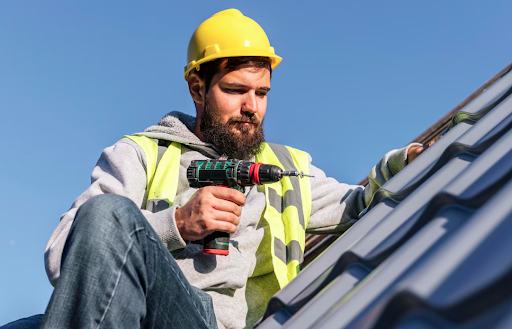
The roof is the most critical protective barrier of any home, shielding the structure and its inhabitants from the elements. When the time comes for a repair or a full replacement, finding the right professional to handle the project is a decision that should not be taken lightly.
A high-quality installation can last for decades, while a poorly executed job can lead to recurring leaks and structural damage.
By evaluating a few key criteria, homeowners can ensure they partner with a reliable roofing contractor who delivers excellence and peace of mind throughout the construction process.
1. Verifying Licensing and Insurance Coverage
The first step in vetting any professional is ensuring they are fully authorized to operate. A legitimate roofing contractor must possess the necessary state and local licenses to perform construction work.
Furthermore, it is non-negotiable that they carry both general liability insurance and workers’ compensation. This protection ensures that the homeowner is not held financially responsible for any accidents that occur on the property or damage to the building during the project.
Always ask for updated certificates of insurance before signing a contract to avoid potential legal complications.
2. Identifying Expert Roofing Contractors for Your Project
When you begin your search, looking for established roofing contractors with a proven track record in your specific community is vital. Local expertise often means the company understands the regional weather patterns and the specific building codes required for your area.
Experienced roofing contractors will have a portfolio of completed projects and a list of local references you can contact.
By choosing a team with a strong local presence, you gain the benefit of a company that relies on its reputation for quality and is easily reachable if future maintenance or warranty issues arise.
3. Evaluating Material Knowledge and Options
A modern roof can be constructed from a variety of materials, ranging from asphalt shingles and metal panels to clay tiles and synthetic slates. A knowledgeable roofing contractor should be able to explain the pros and cons of each material relative to your home’s architecture and your personal budget.
They should offer high-quality products from reputable manufacturers rather than just the cheapest options available.
Understanding the durability, energy efficiency, and aesthetic impact of different roofing systems allows you to make an informed choice that enhances the long-term value of your property.
4. Insisting on a Detailed Written Estimate
Transparency in pricing is a hallmark of a professional business. You should never settle for a verbal quote or a vague one-page document.
A comprehensive estimate from a roofing contractor should include the cost of labor, materials, permit fees, and the removal of old debris. It should also outline the expected timeline for completion and the payment schedule.
Having these details in writing protects both parties and prevents unexpected costs from appearing once the work has already commenced. Clear documentation is the best way to maintain a positive working relationship.
5. Assessing Warranty and Post-Installation Support
Even the best materials can fail if they are not installed correctly, which is why warranties are so important. There are generally two types of coverage: the manufacturer’s warranty on the materials and the contractor’s warranty on the workmanship.
A confident professional will stand behind their labor for several years, ensuring that any installation errors are corrected at no additional cost to the homeowner.
Make sure you understand the length and limitations of these warranties, as they represent the long-term security of your investment in your home’s infrastructure.