



Introduction
The cannabis industry has undergone rapid transformation over the last decade, and one of the most notable innovations is vaping technology. Among these developments, The Evolution of the thc vape pen Industry stands out as a key example of how consumer preferences, technology, and regulation have shaped a modern market.
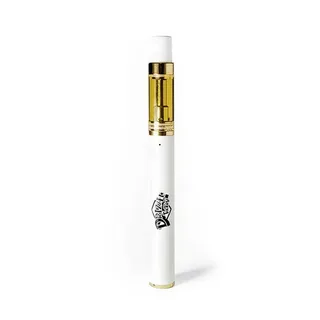
Today, vape pens are widely recognized as a compact and discreet method of cannabis consumption, but their journey from niche product to mainstream accessory has been complex and highly regulated.
Early Stages of Vape Technology
Before cannabis-specific devices became popular, vaping technology was primarily designed for nicotine products. Early vape pens were bulky, inconsistent, and limited in performance.
As cannabis legalization expanded in parts of North America, entrepreneurs began adapting vaporizer technology for THC concentrates. This marked the beginning phase of The Evolution of the THC Vape Pen Industry, where innovation was driven by demand for portability and convenience.
Technological Advancements and Product Innovation
As competition increased, manufacturers focused on improving both safety and user experience. Several key advancements emerged:
- Improved battery efficiency for longer usage time
- Temperature control systems to regulate vapor quality
- Cartridge standardization for easier compatibility
- Stronger extraction methods for purer THC oils
These improvements played a significant role in shaping The Evolution of the THC Vape Pen Industry, making devices smaller, more reliable, and more user-friendly.
Regulation and Safety Challenges
As the market expanded, so did regulatory scrutiny. Governments introduced stricter rules regarding product testing, labeling, and ingredients to address safety concerns.
One major turning point involved concerns over unregulated cartridges and health incidents linked to contaminated vape products. This led to increased oversight and mandatory lab testing in many legal markets.
These regulations significantly influenced The Evolution of the THC Vape Pen Industry, pushing companies toward higher safety standards and greater transparency.
Market Expansion and Consumer Trends
With legalization spreading across various regions, the vape pen market experienced rapid growth. Consumers were drawn to:
- Discreet usage and portability
- Reduced odor compared to traditional methods
- Wide variety of strains and flavors
- Ease of use for beginners
As demand increased, branding and product differentiation became more important, further accelerating The Evolution of the THC Vape Pen Industry into a highly competitive commercial sector.
Modern Trends and Future Outlook
Today, the industry continues to evolve with new innovations such as:
- Smart vape devices with app connectivity
- Live resin and full-spectrum extracts
- Eco-friendly and recyclable cartridges
- Improved quality control standards
Looking ahead, the future of vaping technology will likely focus on sustainability, safety, and enhanced customization. These developments ensure that The Evolution of the THC Vape Pen Industry remains ongoing rather than complete.
Conclusion
From early experimental devices to highly engineered consumer products, vape pens have undergone significant transformation. The combination of technological innovation, regulation, and consumer demand has shaped a rapidly changing landscape.